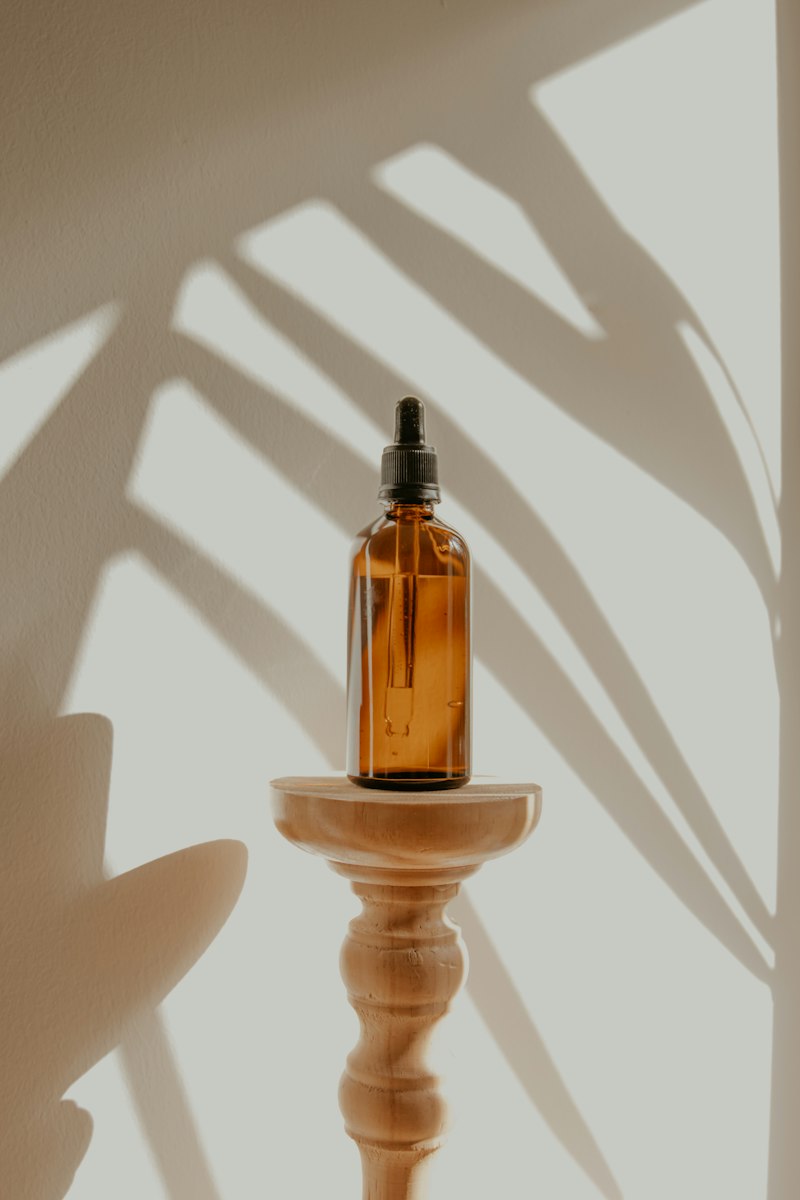
Welcome to the world of essential oils! I remember when I first started—excited about all the possibilities, but also a little overwhelmed by all the information (and misinformation) out there.
Here's what I wish someone had told me at the beginning: essential oils are genuinely wonderful, but they're also concentrated plant medicine that deserves respect. The key to enjoying them safely is understanding a few fundamental principles.
Let's walk through everything you need to know to get started on the right foot.
The Most Important Rule: Always Dilute
If you remember nothing else from this guide, remember this: never apply undiluted essential oils to your skin.
Here's why this matters: It can take over 200 pounds of lavender flowers to produce a single pound of lavender essential oil. That's an enormous concentration of plant compounds. Your skin was not designed to handle that concentration directly.
Using undiluted oils can cause:
Immediate Irritation: Redness, burning, itching, or rash at the application site.
Sensitization: This is the sneaky one. You might use an undiluted oil many times without problems, then suddenly develop an allergic reaction. Once you're sensitized to an oil, you may react to it for the rest of your life—even at proper dilutions.
Phototoxicity: Certain oils, especially cold-pressed citrus oils, can cause severe burns when skin is exposed to sunlight.
Understanding Carrier Oils
Carrier oils are your essential oils' best friends. They "carry" the essential oil onto your skin while diluting it to safe levels. Here are the ones I use most:
Fractionated Coconut Oil: My everyday favorite. It's liquid at room temperature, has almost no scent, absorbs well, and has a very long shelf life. "Fractionated" means the fatty acids that would make it solid have been removed.
Jojoba Oil: Technically a liquid wax, not an oil. It's remarkably similar to your skin's natural sebum, making it excellent for facial products. Also has a long shelf life.
Sweet Almond Oil: A classic choice—light, nourishing, absorbs well. Rich in vitamin E. Great for massage blends. Has a mild, slightly sweet scent.
Grapeseed Oil: Very light and absorbs quickly. Good for people who don't like feeling "oily." Has a shorter shelf life than some others.
The Dilution Chart You'll Actually Use
Dilution percentages can seem confusing at first, but here's a simple chart:
0.5% to 1% Dilution (3-6 drops per ounce of carrier oil)
Best for: Facial products, sensitive skin, children over 2, daily use products
2% Dilution (12 drops per ounce of carrier oil)
Best for: General adult use, everyday body products, massage oils
3% to 5% Dilution (18-30 drops per ounce of carrier oil)
Best for: Short-term use for specific issues (muscle aches, acute situations)
10% Dilution (60 drops per ounce of carrier oil)
Best for: Very short-term, acute situations only—not for regular use
When in doubt, go lower. You can always add more oil later; you can't take it back once it's on your skin.
Phototoxicity: The Danger You Might Not Know About
This was a hard lesson for me. I once applied a bergamot blend before a summer day outdoors and ended up with burns that looked like someone had splashed acid on my arm. I didn't connect it to the essential oil at first—but that's exactly what happened.
Certain oils contain compounds called furanocoumarins that react with UV light, causing severe skin reactions—blistering, burning, and permanent pigmentation changes.
Common Phototoxic Oils (Cold-Pressed Versions):
- Bergamot (the worst offender)
- Lemon
- Lime
- Grapefruit
- Bitter orange
- Angelica root
- Cumin
How to Use These Oils Safely:
- Avoid UV exposure for 12-18 hours after applying them to skin
- Use steam-distilled versions instead of cold-pressed (the problematic compounds are removed in steam distillation)
- Look for "Bergamot FCF" (furanocoumarin-free)
- Use them in wash-off products like soap or shampoo
Other Essential Safety Guidelines
Aromatic Use (Diffusing)
This is generally the safest way to use essential oils. But even here, some cautions apply:
- Follow your diffuser's instructions for water-to-oil ratios
- Don't diffuse continuously—30-60 minutes on, then take a break
- Ensure good ventilation
- If you have pets, research pet safety (see our guide on essential oils and pets)
Always Patch Test
Before using a new oil blend on a large area, test it first:
1. Apply a small amount of your diluted blend to your inner elbow
2. Cover with a bandage
3. Wait 24 hours
4. If no reaction occurs, you're likely safe to use it more broadly
Never Ingest Essential Oils
I know you'll see people online advocating for putting essential oils in water or under your tongue. Please don't do this unless you're working directly with a qualified aromatherapist or healthcare provider who has specifically prescribed internal use.
Essential oils can damage mucous membranes, interact with medications, and cause other serious problems when ingested. The risks far outweigh any potential benefits for most people.
Storage Matters
- Keep oils in dark glass bottles (amber or cobalt blue)
- Store away from heat and direct light
- Keep out of reach of children and pets
- Most oils last 1-3 years; citrus oils have shorter shelf lives (about 1 year)
Quality Matters
Not all essential oils are created equal. Look for:
- Latin name on the label (e.g., Lavandula angustifolia, not just "lavender")
- Country of origin
- Extraction method
- Companies that provide GC/MS testing reports (these verify purity)
Your First Recipe: A Relaxing Massage Oil
Let's put all this into practice with a simple, safe, beginner-friendly blend.
What You'll Need:
- 1 ounce (30 ml) of jojoba or sweet almond oil
- 8 drops lavender essential oil
- 4 drops frankincense essential oil
How to Make It:
1. Add the essential oils to a dark glass bottle
2. Fill with your carrier oil
3. Cap and shake gently to combine
4. Label with ingredients and date made
5. Massage into shoulders, back, or legs for relaxation
This is a 2% dilution—perfect for general adult use. The lavender promotes relaxation while frankincense adds a grounding, meditative quality. It's one of my favorite bedtime blends.
Final Thoughts
Essential oils have enriched my life in countless ways—from helping me relax after stressful days to supporting my skin and creating a beautiful atmosphere in my home. I want you to have those same positive experiences.
The key is starting slowly, respecting these powerful plant extracts, and building your knowledge over time. Don't feel like you need to know everything immediately. Learn one oil thoroughly before moving on to the next. Practice proper dilution until it becomes second nature.
And if you ever feel overwhelmed, remember: people have been using plant medicines safely for thousands of years. You're joining an ancient tradition of humans working with nature for health and wellbeing.
Welcome to the journey.