Ashwagandha: The Ancient Adaptogen for Modern Stress
For over 3,000 years, Ayurvedic practitioners have turned to this remarkable root to build resilience. Discover why modern science is finally catching up.
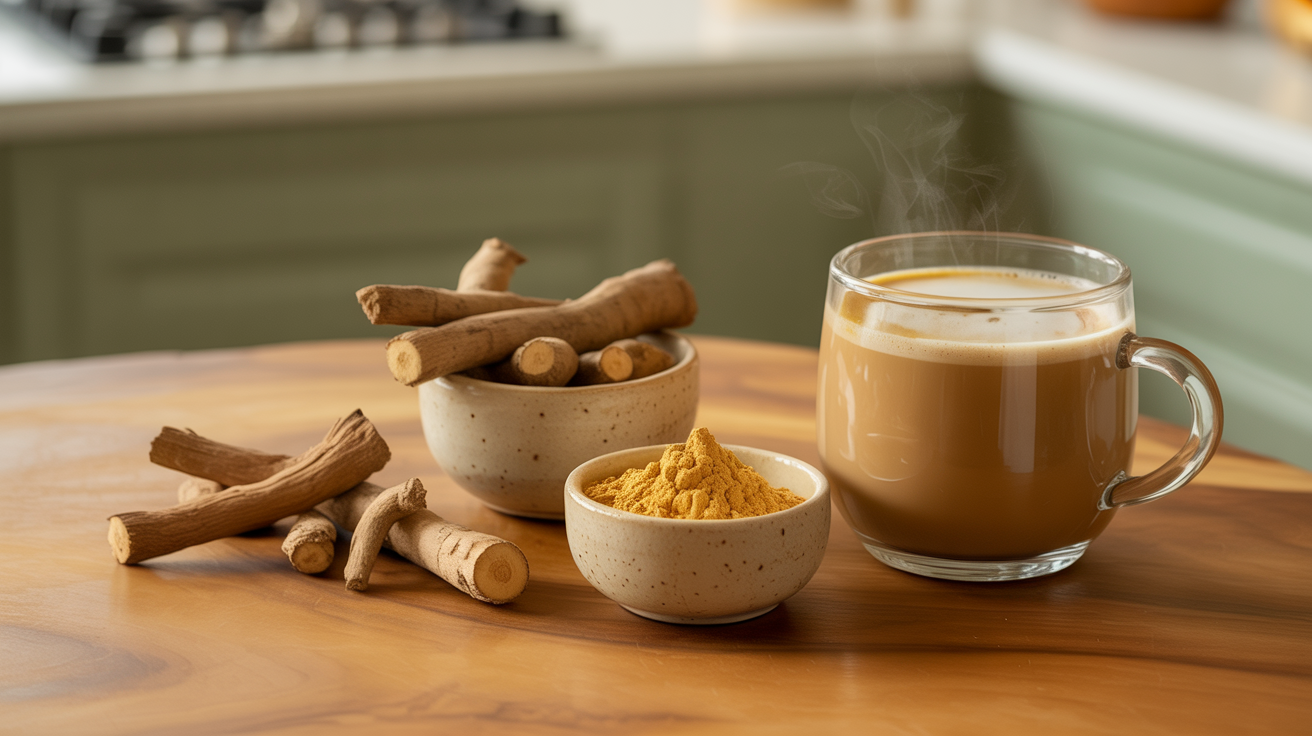
In the world of adaptogens—herbs that help the body adapt to stress—ashwagandha (Withania somnifera) stands apart. It's not a newcomer riding a wellness trend. It's one of the most important herbs in Ayurveda, the 3,000-year-old system of natural medicine that originated in India. And unlike many ancient remedies, ashwagandha has an impressive and growing body of modern clinical research behind it.
The "Strength of the Stallion"
Historical Note
In Sanskrit, 'ashwagandha' roughly translates to 'smell of the horse'—a reference not only to the root's earthy, slightly pungent aroma but also to the traditional belief that consuming it would grant the strength and vitality of a horse. In Ayurvedic medicine, ashwagandha is classified as a 'Rasayana'—a rejuvenating tonic meant to promote longevity, vitality, and happiness. The ancient text Charaka Samhita, written around 100 BCE, describes ashwagandha as a remedy for promoting youthful vigor, enhancing memory, and building resilience against disease. Traditional healers prescribed it for everything from fatigue and weakness to nervous exhaustion and difficulty sleeping.
What's remarkable is that ashwagandha wasn't limited to Indian tradition. In Africa, where a closely related species grows wild, traditional healers used it similarly. In the Middle East, Unani medicine also incorporated it. This cross-cultural convergence of use is often a strong indicator that a botanical has genuine therapeutic value.
What Modern Research Tells Us
The active compounds in ashwagandha—withanolides, primarily withaferin A and withanolide D—have been the subject of hundreds of studies. Here's what the research is showing: Stress and cortisol: Multiple randomized controlled trials have demonstrated that ashwagandha root extract can significantly reduce cortisol levels. One landmark 2012 study found that participants taking 300mg twice daily for 60 days showed a 28% reduction in cortisol levels compared to placebo. Sleep: The species name 'somnifera' means 'sleep-inducing,' and research supports this traditional use. A 2019 study in the journal Cureus found that ashwagandha improved both sleep quality and sleep onset latency. Cognitive function: Several studies have shown improvements in memory, attention, and information processing speed—qualities particularly valued during periods of hormonal transition like perimenopause and menopause, when brain fog can feel relentless. Muscle strength and recovery: Interestingly, ashwagandha has shown benefits for physical performance, including improved muscle strength and recovery after exercise.
Recipes & Daily Rituals
Traditional Ashwagandha Golden Milk
What You'll Need:
- 1 cup warm milk (dairy, oat, or almond)
- 1/2 teaspoon ashwagandha root powder
- 1/4 teaspoon turmeric powder
- Pinch of black pepper (enhances turmeric absorption)
- 1/2 teaspoon cinnamon
- 1 teaspoon raw honey or maple syrup
- Tiny pinch of cardamom (optional)
How to Make It:
Warm the milk gently—don't boil. Whisk in the ashwagandha, turmeric, pepper, cinnamon, and cardamom until smooth. Remove from heat and stir in honey. This is a beautiful bedtime ritual. The warmth of the milk, the earthiness of ashwagandha, and the golden warmth of turmeric create something that feels like a hug from the inside out. Traditional Ayurvedic practitioners recommend taking ashwagandha with warm milk and honey to enhance its rejuvenating properties.
Ashwagandha Energy Bites
What You'll Need:
- 1 cup rolled oats
- 1/2 cup almond butter
- 1/3 cup raw honey
- 2 teaspoons ashwagandha powder
- 1/4 cup dark chocolate chips
- 2 tablespoons ground flaxseed
- 1 teaspoon vanilla extract
- Pinch of sea salt
How to Make It:
Mix all ingredients in a bowl until well combined. Refrigerate for 30 minutes until firm enough to handle. Roll into small balls (about 1 tablespoon each). Store in an airtight container in the refrigerator for up to two weeks. These are a wonderful mid-afternoon snack—the ashwagandha supports sustained energy without the crash of caffeine, while the oats and almond butter provide lasting fuel.
Calming Ashwagandha Latte
What You'll Need:
- 1 cup brewed rooibos tea (caffeine-free)
- 1/2 teaspoon ashwagandha powder
- 1/4 cup frothed oat milk
- 1/2 teaspoon raw cacao powder
- 1/2 teaspoon honey
How to Make It:
Brew the rooibos tea and whisk in ashwagandha and cacao while still hot. Sweeten with honey. Top with frothed oat milk. This caffeine-free alternative is perfect for those who love the ritual of a latte but want to support calm rather than stimulation.
Finding the Right Form
- Root powder: The most traditional form. Earthy, slightly bitter flavor. Easy to add to recipes.
- KSM-66 extract: A patented full-spectrum extract with the most clinical research behind it. Look for this on supplement labels.
- Sensoril extract: Another well-studied extract, made from both root and leaf.
- Capsules: Convenient if you dislike the taste. Look for standardized withanolide content.
- Tincture: Quick absorption. Can be added to water or tea.
Safety & Considerations
- Avoid during pregnancy and breastfeeding
- May interact with thyroid medications, immunosuppressants, and sedatives
- People with autoimmune conditions should consult their healthcare provider (ashwagandha may stimulate the immune system)
- Start with a lower dose (300mg once daily) and increase gradually
- Nightshade family: those with nightshade sensitivities should proceed with caution
- Some people experience mild digestive upset—taking with food usually resolves this
There's a reason ashwagandha has survived 3,000 years of continuous use. In a world that demands constant resilience, this ancient root offers something genuinely valuable: not a quick fix, but a slow, steady strengthening from the inside out. That's the kind of botanical wisdom that stands the test of time.
Ready to Measure Your Blend?
If this article inspired a recipe, our dilution calculator will help you figure out the exact number of drops for any carrier oil amount.
Go to the Dilution CalculatorRelated Selections
Tools we recommend for this practice.
Organic Ashwagandha Root Powder
Certified organic, lab-tested for purity. Perfect for golden milk and recipes.
KSM-66 Ashwagandha Capsules
The most clinically studied ashwagandha extract, standardized to 5% withanolides.
We only recommend products we've personally researched and believe meet the Vesta Standard.