Black Cohosh: The Root That Helped Build a Tradition
Long before modern supplements lined pharmacy shelves, Indigenous healers and Appalachian herbalists relied on this powerful root. Discover its deep history and versatile applications for modern wellness.
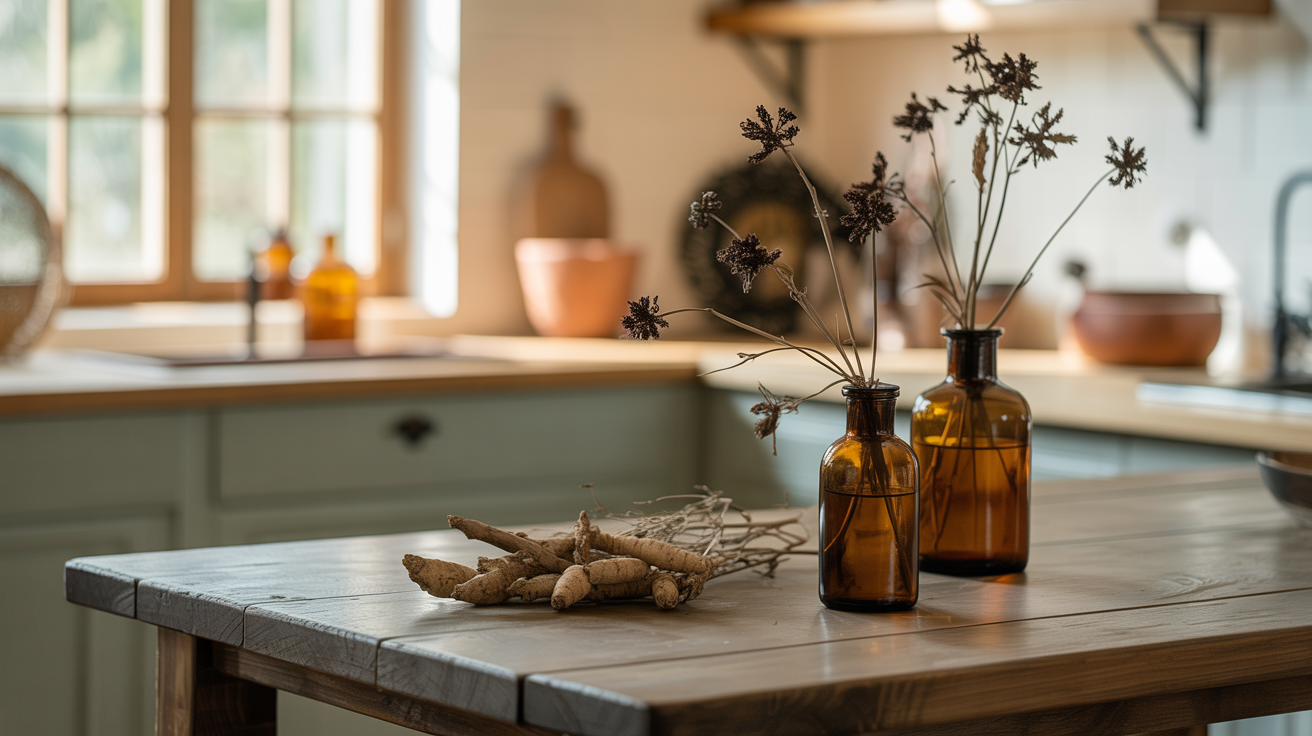
Black cohosh is one of those botanicals that quietly commands respect. It doesn't have lavender's prettiness or peppermint's bright flavor. What it has is a deep, unbroken lineage of use stretching back centuries—and a growing body of modern research that's starting to catch up with what traditional healers have always known.
A Root Woven Into the Land
Historical Note
The Algonquin and Cherokee nations were among the first to document the use of black cohosh (Actaea racemosa), calling it by names that roughly translated to 'rough root.' They used it for a wide range of complaints—from general malaise and fatigue to muscle aches and what we'd now recognize as gynecological concerns. When European settlers arrived in Appalachia, they quickly adopted it into their own folk medicine traditions, and by the 1800s it had become one of the most widely used botanicals in American herbal practice.
In the 19th century, the Eclectic physicians—a progressive group of American doctors who bridged herbal tradition and conventional medicine—prescribed black cohosh extensively. They called it 'macrotys' and valued it for everything from rheumatic pain to nervous system support. Their detailed clinical notes give us a fascinating window into how this root was understood.
What Makes Black Cohosh Work
Modern research has identified several active compounds in black cohosh, including triterpene glycosides (particularly actein and 27-deoxyactein), phenolic acids, and flavonoids. These compounds appear to interact with multiple pathways in the body. The most studied application is for menopausal symptoms—hot flashes, night sweats, mood fluctuations, and sleep disruption. Several clinical studies have shown promising results, and in Germany, black cohosh extract (sold as Remifemin) has been approved for menopausal support since the 1950s. But here's what many people miss: black cohosh's traditional uses extend well beyond menopause. It has been historically valued for muscle and joint discomfort, nervous tension, and general inflammatory support. Modern herbalists continue to explore these broader applications.
Ways to Work With Black Cohosh
Unlike some herbs that lend themselves to pleasant teas and cooking, black cohosh is better appreciated through preparations that manage its strong, somewhat bitter flavor. Here are some traditional and modern approaches:
Black Cohosh Root Decoction
What You'll Need:
- 1 teaspoon dried black cohosh root, chopped
- 2 cups filtered water
- 1 teaspoon raw honey (optional, to taste)
- Squeeze of lemon (optional)
How to Make It:
Add the dried root to cold water in a small saucepan. Bring to a gentle simmer (not a rolling boil) and let it simmer with the lid on for 15-20 minutes. The liquid will reduce slightly and deepen in color. Strain through a fine mesh sieve. Add honey and lemon if desired. Traditionally taken in small amounts—about 1/4 cup, once or twice daily. This is quite bitter, so don't be shy with the honey.
Soothing Black Cohosh & Chamomile Evening Blend
What You'll Need:
- 1/2 teaspoon black cohosh tincture (store-bought, standardized)
- 1 cup strong chamomile tea, warm
- 1 teaspoon raw honey
- Splash of oat milk
How to Make It:
Brew a strong cup of chamomile tea (steep for 8-10 minutes with a lid on). Stir in the black cohosh tincture, honey, and a splash of oat milk. The chamomile softens the bitterness beautifully while adding its own calming properties. A lovely ritual for the hour before bedtime.
Important Safety Considerations
- Do not use during pregnancy or while breastfeeding
- Consult your healthcare provider if you have liver conditions or are taking medications
- Start with small amounts to assess your body's response
- Purchase from reputable sources—black cohosh is sometimes adulterated with other species
- Not recommended for children
- Discontinue use and consult a practitioner if you experience stomach upset or headaches
Black cohosh reminds us that some of the most powerful tools in our wellness toolkit aren't flashy or Instagram-worthy. They're quiet, rooted, and deeply connected to the land and the people who first understood them. That's exactly the kind of wisdom worth tending.
Ready to Measure Your Blend?
If this article inspired a recipe, our dilution calculator will help you figure out the exact number of drops for any carrier oil amount.
Go to the Dilution CalculatorRelated Selections
Tools we recommend for this practice.
Standardized Black Cohosh Extract
Sustainably harvested, third-party tested for purity and potency.
Herbal Decoction Kit
Fine mesh strainer, glass measuring cup, and storage jars for root preparations.
We only recommend products we've personally researched and believe meet the Vesta Standard.