A Beginner's Guide to Chamomile: History, Healing & Recipes
Known as the herb "capable of anything," chamomile has been a cornerstone of traditional medicine for thousands of years.
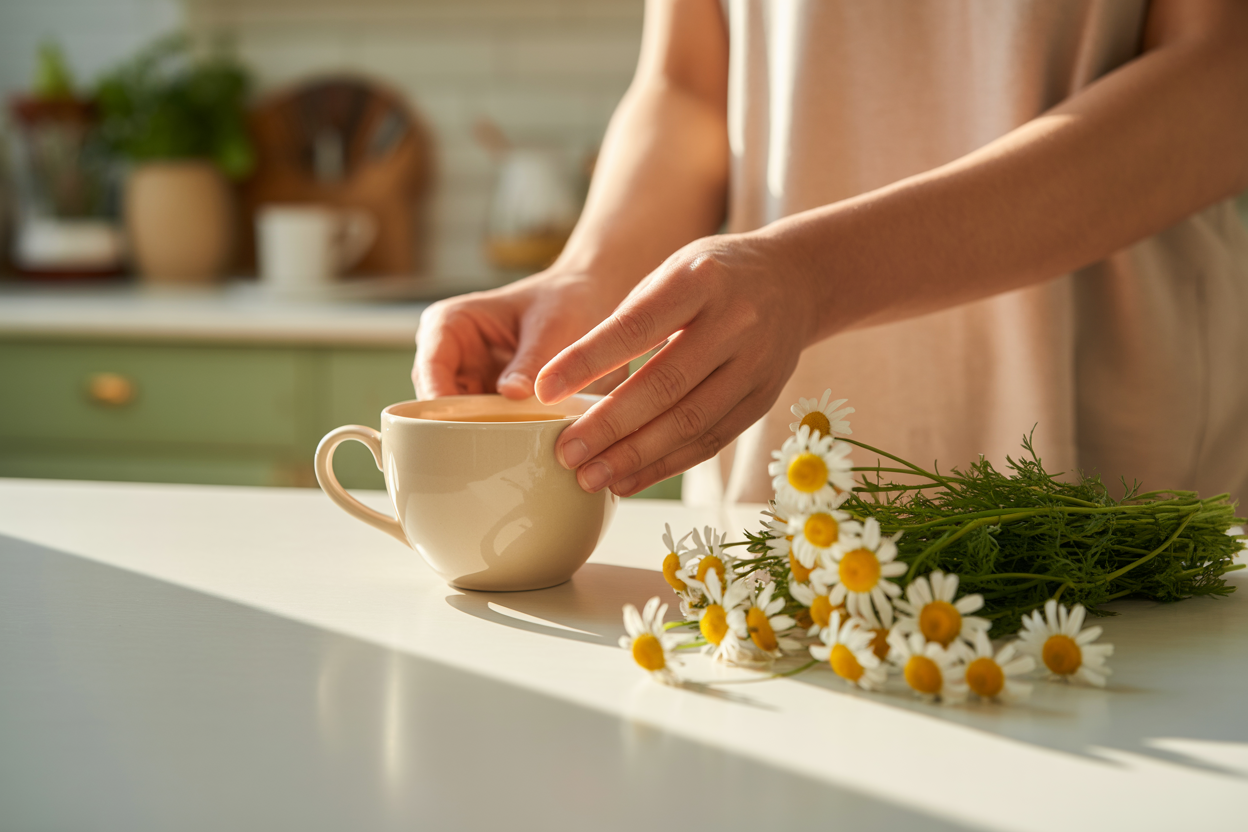
There's a reason chamomile is usually the first herb people reach for when they want to try natural remedies. It's gentle, effective, tastes pleasant, and has a safety record stretching back thousands of years.
Chamomile's Ancient Story
Historical Note
In ancient Egypt, chamomile was associated with Ra, the sun god himself. Egyptians believed these small yellow-centered flowers held divine healing energy. The Ebers Papyrus from around 1550 BC specifically mentions chamomile as a fever remedy.
In Germany, chamomile earned the nickname "alles zutraut"—"capable of anything." In 1984, Germany's Commission E officially approved chamomile for treating gastrointestinal spasms and skin inflammation.
What Makes Chamomile Work?
- Apigenin: Binds to brain receptors for calming effects
- Bisabolol: Anti-inflammatory and anti-irritant properties
- Chamazulene: Reduces inflammation (creates the blue color in oil)
Classic Chamomile Tea (Done Right)
What You'll Need:
- 1 heaping tablespoon dried chamomile flowers
- 8 ounces hot water (around 200°F)
- Honey or lemon if desired
How to Make It:
Place chamomile in your cup. Pour hot water over flowers and COVER the cup with a plate—this keeps volatile oils from escaping. Steep for 5-10 minutes. Strain and enjoy.
Soothing Chamomile Compress
What You'll Need:
- 2-3 chamomile tea bags
- 1 cup hot water
- A clean, soft cloth
How to Make It:
Steep tea bags in hot water for 10-15 minutes. Let cool completely in the refrigerator. Soak cloth in the cold infusion and apply to irritated skin for 15-20 minutes.
Ready to Measure Your Blend?
If this article inspired a recipe, our dilution calculator will help you figure out the exact number of drops for any carrier oil amount.
Go to the Dilution CalculatorRelated Selections
Tools we recommend for this practice.
Organic Chamomile Flowers
Whole dried flowers for maximum therapeutic benefit.
We only recommend products we've personally researched and believe meet the Vesta Standard.