Magnesium: The Quiet Mineral Behind Nearly Everything
Involved in over 300 biochemical reactions in your body, magnesium is the unsung hero of the mineral world. Learn why so many of us are deficient and what to do about it.
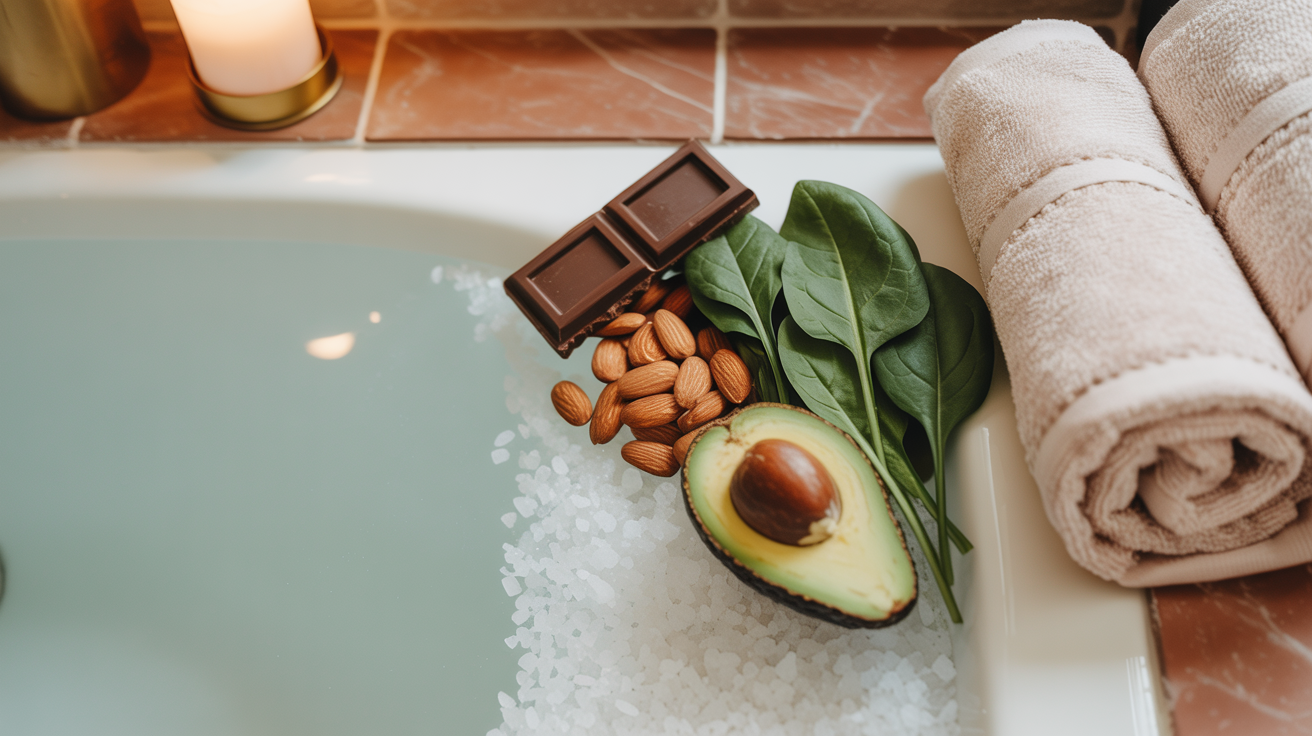
If there's one mineral that deserves more attention than it gets, it's magnesium. It doesn't have the glamour of vitamin C or the name recognition of iron, but magnesium is involved in over 300 enzymatic reactions in the human body—from muscle function and nerve signaling to energy production and DNA synthesis. And yet, studies suggest that a significant portion of the population isn't getting enough.
An Ancient Mineral With a Long History
Historical Note
The name 'magnesium' traces back to Magnesia, a district in the ancient Greek region of Thessaly, where naturally occurring mineral deposits were first identified. But the therapeutic use of magnesium-rich compounds goes back much further. The famous Epsom salts—magnesium sulfate—get their name from the mineral springs at Epsom, England, where in 1618 a farmer noticed that the bitter water from a local spring healed scratches and rashes on his cows. By the 18th century, 'taking the waters' at Epsom and similar mineral springs had become a cornerstone of European wellness culture. Ancient Roman bath houses also featured mineral-rich waters, and traditional Chinese medicine has long used magnesium-containing minerals for calming the spirit and supporting sleep.
Why So Many of Us Are Running Low
Modern farming practices have depleted magnesium levels in soil, which means our food contains less than it once did. Processed foods strip out magnesium during manufacturing. Chronic stress burns through magnesium at an accelerated rate. Caffeine and alcohol increase magnesium excretion. It's a perfect storm of depletion. The symptoms of low magnesium can be subtle and wide-ranging: muscle cramps and twitches, difficulty sleeping, anxiety or irritability, fatigue, headaches, and even sugar cravings. During menopause, many women report that these symptoms intensify—which makes sense, as fluctuating hormones increase the body's magnesium demands.
Forms of Magnesium: A Quick Guide
- Magnesium Glycinate: Bound to glycine (a calming amino acid). Excellent for sleep, anxiety, and general supplementation. Gentle on the stomach.
- Magnesium Citrate: Well-absorbed, also supports digestion. Can have a mild laxative effect at higher doses.
- Magnesium Threonate: Newer form that may cross the blood-brain barrier. Being studied for cognitive support and memory.
- Magnesium Taurate: Combined with taurine. Often recommended for heart health and blood pressure support.
- Magnesium Sulfate (Epsom Salts): Used externally in baths. Absorbed through the skin for muscle relaxation and stress relief.
- Magnesium Oxide: Common in supplements but poorly absorbed. Best avoided for therapeutic use.
Nourishing Recipes & Rituals
Magnesium-Rich "Golden Calm" Smoothie
What You'll Need:
- 1 cup spinach or Swiss chard
- 1/2 avocado
- 1 tablespoon raw cacao powder
- 1 tablespoon almond butter
- 1 banana
- 1 cup almond milk
- Pinch of sea salt
- 1/2 teaspoon cinnamon
How to Make It:
Blend everything until smooth. Every ingredient in this smoothie is a natural source of magnesium. The cacao alone provides about 64mg per tablespoon. This is a wonderful morning ritual or afternoon pick-me-up when energy starts to dip.
Restorative Epsom Salt Soak
What You'll Need:
- 2 cups Epsom salts (magnesium sulfate)
- 1/2 cup baking soda
- 10 drops lavender essential oil
- 5 drops chamomile essential oil (Roman)
- 1 tablespoon carrier oil (jojoba or fractionated coconut)
How to Make It:
Mix the essential oils with the carrier oil first (this helps them disperse in water rather than floating on top). Add Epsom salts and baking soda to warm running bath water—not too hot, as extreme heat can be counterproductive. Soak for at least 20-30 minutes to allow absorption through the skin. This is a time-honored practice for easing muscle tension, calming the nervous system, and supporting restful sleep. Best enjoyed in the evening.
DIY Magnesium Body Butter
What You'll Need:
- 1/2 cup magnesium flakes (magnesium chloride)
- 3 tablespoons boiling water
- 1/4 cup shea butter
- 2 tablespoons coconut oil
- 10 drops lavender essential oil
How to Make It:
Dissolve the magnesium flakes in boiling water and let cool completely (this creates 'magnesium oil'). Melt the shea butter and coconut oil together gently. Let cool until partially solidified. Whip with a hand mixer while slowly drizzling in the magnesium water. Add essential oil and whip until fluffy. Store in a glass jar. Apply to legs, arms, and feet before bed. Some people experience a slight tingling sensation—this is normal and typically diminishes with regular use.
Food Sources Worth Knowing
- Dark chocolate (70%+ cacao): 64mg per ounce
- Pumpkin seeds: 156mg per ounce
- Almonds: 80mg per ounce
- Spinach (cooked): 157mg per cup
- Black beans: 120mg per cup
- Avocado: 58mg per avocado
- Dark leafy greens, bananas, figs, and wild-caught fish
A Note on Safety
- If you have kidney disease, consult your doctor before supplementing with magnesium
- Magnesium can interact with certain medications (antibiotics, diuretics, heart medications)
- Start with lower doses and increase gradually to avoid digestive upset
- Topical magnesium (baths, body butter) is generally very well tolerated
- The RDA for adult women is 310-320mg; for men, 400-420mg
Magnesium is the kind of mineral that works best when you're not thinking about it—quietly supporting hundreds of processes that keep you feeling balanced, rested, and resilient. Whether through a warm Epsom salt bath, a dark chocolate square, or a nourishing smoothie, finding ways to invite more magnesium into your daily rituals is one of the simplest, most impactful things you can do for your wellbeing.
Ready to Measure Your Blend?
If this article inspired a recipe, our dilution calculator will help you figure out the exact number of drops for any carrier oil amount.
Go to the Dilution CalculatorRelated Selections
Tools we recommend for this practice.
Premium Epsom Salt Collection
Pharmaceutical-grade magnesium sulfate for therapeutic baths.
Magnesium Flakes (Magnesium Chloride)
Pure magnesium chloride flakes for DIY body butter and foot soaks.
We only recommend products we've personally researched and believe meet the Vesta Standard.